Saturday, May 31, 2014

Party Dresses 10

1990-2000: Grunge
Origin: This piece originated from the combination of all the styles from all the previous decades. It incorporated this main concept of diversity, as in having different designs and styles. This diversity came from bits and pieces of styles from the past, like having loose and flowing dresses or having cinches at the waist.
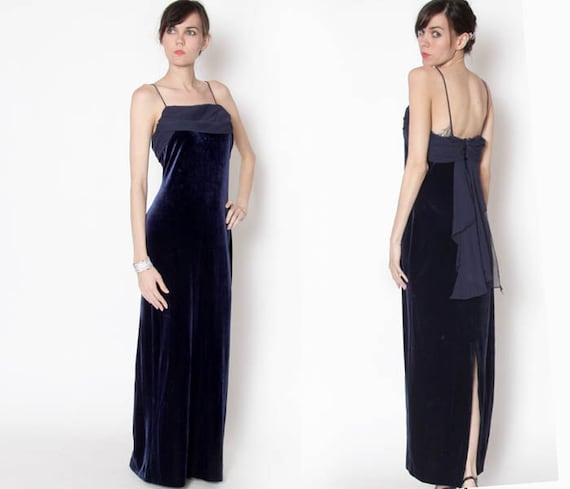
Purpose: What was different about this piece was that there was no longer a single style of dress. This was the beginning of people expressing who they were through what they wore. During this time different materials were used for dresses rather than sticking to one type, for example the use of velvet. Not only that but there were a lot more different prints. During this time the most popular was flower print. The dresses had become this style of being loose and not as tightly fitted, which became known as the grunge style. A lot of these dress styles were passed through popular shows such as "Saved by the Bell" (seen in the far left picture).
Value: This piece was an expression of this decade because it resembled what people wanted to wear. During this time period society has become more diverse, so what people wanted to wear was diverse as well. Overall the different dresses that existed showed the overall diversity of the United States. 
Limitations: This item cannot tell us about what societal issues have been occurring. It also cannot tell us what effect did men's clothes went through. During this time many people saw these items as usual because they were in trend. During this time there have been big changes that cannot be seen like the huge change in technology.

Sunday, May 25, 2014

Party Dresses 9

1980-1990: Power Dress

Origin: This dress style originated from the idea that it was now common for women to be in a workplace. A lot of the styles came from 50's style dresses and skirts of the 40's. Also, the rise of Madonna had a huge influence, especially on teenage girls.
Purpose: The purpose of this "power dress" was to show that women were equal to men. Since it became common for women to work they wanted to show they had power. This power can been seen by the very large shoulder padding in the picture above. A lot of the dresses worn had similar looks to business style, except fancier. It really emphasized on the idea of women being in the work force. In the picture below a lot of teen girls were wearing similar dresses and outfits. This was all through the influence of Madonna. There was the "Like a Virgin" phase that influenced people to wear large crucifix jewelry and lace gloves. Also, short and tight mini-skirts came into trend through Madonna.
Value: The dress above was an expression of the decade because it really represented women's power. Not only power but the acceptance of women being able to work. With the photo below it really shows how much media, specifically, music could influence people.  
Limitations: These dresses cannot tell us how the men fashion was influenced during this time. It also cannot really tell us what political issues were occurring. During this time one major thing that was happening was the influence of music. These items were usual to the time period because working women became common and media influence was common as well.


Sunday, May 18, 2014

Party Dresses 8

1970-1980: Disco
Origin: This piece originated from the hippie style. It incorporate the style from the 60's that had print and a lot more colors. This decade was known to incorporate all the styles into one. One person that introduced the peasant trend, which was popular during the late 70's, was Yves St Laurent.
Purpose: The new thing about this style was that it incorporated styles from the previous years. During this time the economy improved so the dresses got longer so they were now either mid-calf or floor length. These floor length dresses became known as maxi dresses, which are in style now. The piece had a trend of peasant style. This incorporated lace and off-the-shoulder necklines. The clothes during this time have been unstructured and very fluid during this time. There was also an increase of imported clothes. The Punk style and disco style was also introduced. This piece was created to express people to show that they were now more flowing since things started to become better now. 
Value: This piece is an expression of the time because it was a mixture of old styles. The US during this time as well became more mixed than before. There were now more and more different ideas coming in from different races of people.
Limitations: These clothes cannot tell us about what the people of the opposite gender were wearing. During this time people were going against the recruiting of more people to fight in the war. These items shown below were mainstream and average for the time.

Saturday, May 10, 2014

Party Dresses 7

Retro
Origin: This style originated in the decade of 1960-1970. It is said that a lot of the dresses people wore represented the beauty of the First Lady, Jacqueline Kennedy. Also one of the main trends were created by Mary Quant. A lot of the clothes that were introduced during this era were similar to the 1920s, they were loose fitted and linear, except shorter.
Purpose: This dress incorporated the idea of having simple and geometric designs on the dress. A lot of the times these dresses were kind of like business casual. Majority of these dresses only used pastel colors rather than bold colors seen in previous time periods. That is the design shown in the picture on the right. This dress was known as "shifts". These were the kinds of dresses that Jacqueline Kennedy wore. For evening wear women would wear ball gowns that had simple designs and fitted waists (shown in the left picture). A lot of the skirts that were manufactured were known as mini-skirts. Form 1960-1968 the skirts got shorter and shorter. It got to the point where the skirts became known as micro-minis.
Value: During this time period the Cold War had just begun. This "War" wasn't necessarily fighting with tanks but more of a political and rights kind of war. The clothes the women wore represented their new life style of being business women. Ever since WWII women had become more involved in the work force. Jacqueline Kennedy became very influence to women and that's how her style became the new trend.
Limitations: The dresses shown, and worn, couldn't exactly tell us much about the political issues occurring. During this time era this style of dress was mainstream and worn by almost every female. In this you can't exactly tell how the men fashion was influenced.


Wednesday, April 30, 2014

Party Dresses 6

Sock Hop
Origin: This piece originated after World War II in the 1950s. This style evolved from the "wartime"/business style. This style, once again, incorporated the shorter dress styles but these dresses were the shortest. They went from below the knee to above it.
Purpose: This style of dress was created because after the Second World War women had a change in a lot of their views in society. Many women were craving for glamour and style. A lot of the fashion was inspired when France's fashion business reopened. One style that was introduced was called the "New Look" that incorporated having small waist and big puffy skirts. A lot of dresses had this youthful look to them so women that were older looked younger. Also, this style fit in with the new trend of Rock'n'roll dancing and Jive. With the rounder bottoms it reflected energy in the dancing, which also made the dresses very popular.
Value: The style of sock hop was an expression of this decade because it was the start of a new fashion. Since it was after the war there were changes, especially in the fashion. During the war textiles were very limited so the material for dresses were as well. That's how dresses got to be shorter and have less sleeves. It was the best expression of this time period because the overall trends had changed.
Limitations: This time cannot tell us what state the US was in after the War. It also cannot tell us how other societal issues were affected. During this time more and more people actual began to accept the shorter style. The clothes became an equalizer for people of different races, but yet there still was segregation. This item would be counted as a usual piece since there wasn't much change in the style except for the fact that the dresses had tinier waist lines and puffier bottoms.

Wednesday, March 26, 2014

Party Dresses 5

Wartime
Origin: This specific picture originated from a Vogue magazine in 1945. The overall style seen was in trend during the decade of 1940-1950. This style incorporated the shorter dress style, but the dresses got even shorter than before. Also, the dresses were more of a business style since the number of women in the work force increased. 
Purpose: This style incorporated the business look which was different. Also, this style had added the more angular shoulder style. The shoulders became more angular since women started wearing blazers more often. Also, the skirts were shorter than before. The blouses and dresses became a lot more simple, so not as many patterns. There was still the design of having waste cinches. 
Value: This piece was an expression of the decade because of the Wartime style it had. During half of this decade World War II was occurring. People had to conserve a lot of clothing material so they shortened the length of the skirts and limited the amount of material and work put into the blouses. Also, the war cause the overall style to become more business rather than fancy. This business style was also very similar to the mens clothing since it also incorporated very square shoulders. This was sort of another symbol of gender equality. 
Limitations: This does not show us how men dressed. It also cannot tell us the opinions of men during this change of style. It was likely that some didn't approve of this since this was allowing to seem equally especially within the workforce. This piece was mainstream since everyplace had to cut off on the amount of cloth used and making fancy styles. 

Sunday, March 23, 2014

Party Dresses 4

The Great Dress Depression
Circa 1930 garden party dress.
Origin: This piece originated during the 1930s. It evolved from Flapper style to longer, conservative style. This piece took more of the styles from the 1910s. It was long but still above the ankle. It also took the "V" neck style from the 1920's. It also took the belted style from the previous decade. The designs during this time was more commonly known as the Circa style, but this style wasn't the only style. 
Purpose: What made this design of dresses different was the increase use of patterns and defined collars. Also, the overall look of the dresses seemed much cheaper. The cheaper look wasn't done on purpose it was because during the time of the Great Depression there wasn't the best material available for people. The dress shown above was one of the better qualities of the dresses. This fitted more under the circa style, which was the more fancy and better quality types of clothing. 
Value: This piece was an expression of the time because the dresses weren't as bold and bright, as you can see in the picture. During this time the Great Depression hit and it was a hard life for many people. During this time buying party dresses wasn't necessarily a priority. Since people didn't care too much for it the design of the flapper went back to the more of a conservative style. Not only that but the designs were as bold and happy, this really expresses how the Great Depression had an affect of the people. 
Limitations: This item cannot tell us the worst situations some of the people were. This is because the dress shown in the picture is the dress worn by the people who weren't too badly affected by the Great Depression. Due to that you cannot also tell how bad of a situation people were going through and what their thoughts were.